
Olu Jacobs Biography: Life, Career and Legacy of the Nollywood Icon

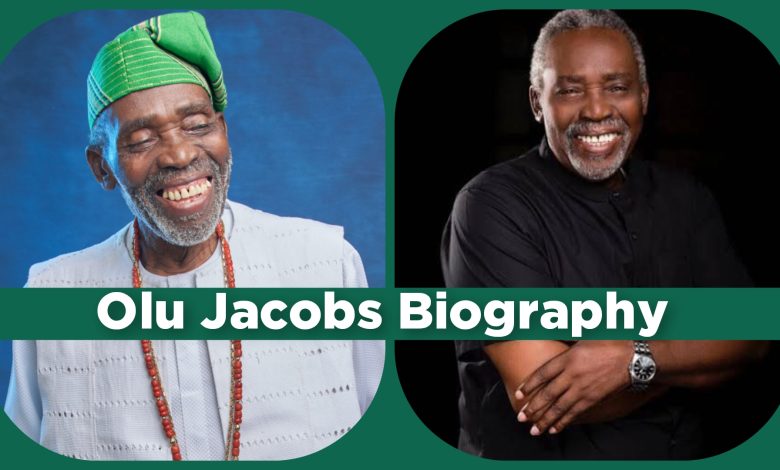
Oludotun Baiyewu Jacobs, known professionally as Olu Jacobs, was a Nigerian actor and film executive whose career stretched across more than five decades. Born on 11 July 1942, he became one of the most recognised faces in African cinema through work that began on British stages and television before shaping the growth of Nollywood.
His commanding presence, distinctive voice and ability to portray authority figures with quiet dignity earned him respect from audiences and colleagues alike. From early international films to dozens of Nigerian productions, Jacobs left a clear mark on theatre, television and the home video industry that later became a global cultural force.
Olu Jacobs Early Life and State of Origin
Olu Jacobs was born on 11 July 1942. His parents came from Egba Alake, a prominent Yoruba community in what is now Ogun State in southwestern Nigeria. Although sources sometimes list Abeokuta as a place of birth associated with family roots, he spent his early childhood in Kano in northern Nigeria. This dual connection to the south and the north shaped his sense of Nigerian identity.
In Kano he attended Holy Trinity School. There he joined the debating and drama societies, experiences that first stirred his interest in performance. A turning point came when he watched one of Chief Hubert Ogunde’s annual concert parties at the Colonial Hotel in Kano. The energy of the stage performance convinced the young Jacobs that acting could be more than a school activity. It could become a profession.
His father did not support the idea of acting as a career. Jacobs later recalled that his father tore up an application form when he expressed the wish to study drama in England. With quiet help from his brothers he obtained a visa and left for Britain. He never saw his father again. The determination shown in that decision set the pattern for a life built on persistence and craft.
Ogun State, home to the Egba people, has produced many figures in Nigerian arts, politics and culture. Jacobs carried that heritage with him even while working far from home. His later roles often reflected dignity, tradition and quiet authority that resonated with audiences who recognised something authentic in his portrayals of elders, rulers and community leaders.
Olu Jacobs Education
After arriving in England, Jacobs trained at the Royal Academy of Dramatic Arts in London. RADA provided rigorous instruction in voice, movement, classical text and character work. The training equipped him with technical skills that remained visible throughout his career, whether he was performing on stage or in front of a camera.
The academy experience also placed him among a generation of actors who learned the discipline of live theatre before moving into television and film. This foundation distinguished his work from performers who entered the industry without formal classical training.
Olu Jacobs Career
Jacobs built his professional life in stages that moved between continents and media.
British Stage and Television Work
One of his earliest recorded stage roles came in 1972 when he played The Boy in A Taste of Honey at the newly opened Crucible Theatre in Sheffield. He continued to appear in British productions throughout the 1970s. Television credits from that period include The Goodies, Till Death Us Do Part, Barlow at Large, The Venturers, Angels, 1990, The Tomorrow People and The Professionals.
In 1978 he took the role of President Mageeba in a production of Tom Stoppard’s Night and Day. These appearances gave him steady work and exposure at a time when few African actors held recurring or notable parts in British television.
International Film Appearances
The 1980s brought opportunities in larger scale cinema. Jacobs appeared in The Dogs of War (1980) directed by John Irvin, playing a customs officer alongside Christopher Walken. He took the role of Colonel Nsogbu in the family adventure Baby: Secret of the Lost Legend (1985) and played Boomako in Roman Polanski’s Pirates (1986). Earlier he had featured as Commissioner Batak in Ashanti (1979).
These films placed him in international productions and demonstrated his ability to work within different styles and scales of filmmaking.
Return to Nigeria and Nollywood Contributions
In 1990 Jacobs returned to Nigeria and took a leading role as Inspector Best Idafa in the NTA detective series The Third Eye, which ran for several years. As the Nigerian home video industry expanded, he became a familiar presence in dozens of productions. He appeared in more than 120 Nollywood films, often cast as kings, patriarchs, politicians or men of quiet authority.
His work helped bridge earlier theatrical traditions with the new commercial film culture. Colleagues and commentators described him as one of the figures who brought professionalism and gravitas to the growing industry. He also appeared in television commercials for brands such as Ribena and Binatone.
Olu Jacobs Notable Films and Television Roles
Key international and Nigerian titles associated with his career include:
- Ashanti (1979)
- The Dogs of War (1980)
- Baby: Secret of the Lost Legend (1985)
- Pirates (1986)
- The Third Eye (television series, 1990–1993)
- Dancing Heart (for which he received a major acting award)
- Adesuwa (2012)
- Potomanto (2013)
- The Antique (2014)
- Dry (2015)
- Oloibiri (2015)
- The Royal Hibiscus Hotel (2017)
These selections illustrate the range from early international work to later Nigerian productions that addressed social and historical themes.
Olu Jacobs Personal Life and Family
Jacobs married fellow actress Joke Silva in 1989. The couple met while working on a production of Wole Soyinka’s Jero’s Metamorphosis. They became one of Nigeria’s best known acting partnerships. Jacobs publicly supported Silva’s decision to continue using her professional name, explaining that she had already established her identity as an actress before their marriage and that she remained both Joke Silva in her work and Mrs Joke Jacobs at home.
They have two sons, Olusoji and Olugbenga. A daughter, Dayo, died in childhood. Together the couple founded the Lufodo Group, a media company involved in film production and distribution, and the Lufodo Academy of Performing Arts. The academy has trained many young performers in acting, directing, writing and related crafts. Family and colleagues often referred to Jacobs as the Lion of Lufodo in recognition of his central place in that enterprise.
Olu Jacobs Awards and Honours
Recognition for his body of work came from both industry and national sources. In 2007 he won the Africa Movie Academy Award for Best Actor in a Leading Role for his performance in Dancing Heart. In 2011 the Nigerian government conferred on him the national honour of Member of the Order of the Federal Republic (MFR). In 2013 he received the Industry Merit Award at the Africa Magic Viewers’ Choice Awards. The Africa Movie Academy Awards later presented him with a Lifetime Achievement Award in 2016. He also received a Lifetime Achievement honour at the Africa International Film Festival in 2021.
These awards reflected both specific performances and the cumulative contribution of a career that spanned theatre, television and film across two continents.
Olu Jacobs Influence on Nollywood and African Cinema
Jacobs belonged to a generation that carried skills from formal training and international experience into the emerging Nigerian film industry. His consistent presence in roles that required dignity and authority helped set a standard for how such characters could be portrayed. Younger actors and directors have spoken of the example he set in preparation, delivery and professional conduct.
Through the Lufodo Academy he and his wife created a structured path for new talent. The combination of on screen work and institutional support extended his influence beyond individual performances.
Olu Jacobs Later Years
In his later years Jacobs faced health challenges. His wife publicly confirmed that he was living with Lewy body dementia. Despite periods of reduced public activity, he continued to be recognised for his earlier achievements. False reports of his death circulated in 2021, but he appeared at the Africa International Film Festival that year to receive a lifetime honour.
Olu Jacobs died on 16 September 2026 at the age of 84. His family announced the news and described him as the Lion of Lufodo while requesting privacy during their period of mourning.
Conclusion
The life of Olu Jacobs shows the path of an actor who moved from school drama societies in Kano to formal training in London, steady work on British stages and screens, international film roles and finally a defining presence in Nigerian cinema. His Egba heritage, technical skill and steady professionalism helped shape how audiences understood authority and character on African screens. Through his marriage partnership, the academy he co founded and the many films that still circulate, his influence continues in the work of those who followed.
FAQs
Who was Olu Jacobs?
Olu Jacobs was the professional name of Oludotun Baiyewu Jacobs, a Nigerian actor and film executive who worked in British theatre and television before becoming a central figure in Nollywood. He was known for portraying roles of dignity and authority across more than five decades.
When and where was Olu Jacobs born?
He was born on 11 July 1942. His parents were from Egba Alake in Ogun State, and he spent his early childhood in Kano.
Who was Olu Jacobs married to?
He was married to the actress Joke Silva from 1989 until his death. They co founded the Lufodo Group and the Lufodo Academy of Performing Arts.
What awards did Olu Jacobs receive?
Major honours include the Africa Movie Academy Award for Best Actor in a Leading Role in 2007, the national honour of Member of the Order of the Federal Republic in 2011, the Industry Merit Award at the 2013 Africa Magic Viewers’ Choice Awards and lifetime achievement recognitions in later years.
What are some of Olu Jacobs most notable films?
Notable titles include Ashanti, The Dogs of War, Baby: Secret of the Lost Legend, Pirates, Adesuwa, Oloibiri, Dry and The Royal Hibiscus Hotel, along with the television series The Third Eye.
How did Olu Jacobs contribute to Nollywood?
He brought classical training and international experience into the growing Nigerian film industry, appeared in more than 120 productions and helped train new talent through the Lufodo Academy.
When did Olu Jacobs die?
Olu Jacobs died on 16 September 2026 at the age of 84.